




Generous Auto - Comparing Used RAM and Chevy Trucks Around Southtowne, UT
Shopping for a used truck becomes much easier when the comparison focuses on real needs rather than brand loyalty alone. RAM and Chevy both have long histories in the pickup market, and both offer trucks that can work hard, commute comfortably, and support recreation throughout Utah. Generous Auto sells both used brands, so our advice starts with a simple idea: the right truck is the one with the correct configuration, documented condition, and practical fit for the way the owner will drive. A RAM 1500 with the right equipment may be a comfortable daily driver that still handles towing duties with confidence. A Chevy Silverado may be an ideal full-size pickup for drivers who want strong capability, familiar controls, and a broad range of cab and bed layouts. For someone who wants easier maneuverability, a Chevy Colorado may be worth considering alongside full-size options.
Local driving patterns matter as well. A truck that feels comfortable during a short test drive should also make sense for freeway merging, parking, trailhead access, home improvement projects, and longer family drives. We are serving Salt Lake City, Southtowne, and American Fork, and many local shoppers need one vehicle to handle multiple roles. That might include hauling tools during the week, towing a small trailer on the weekend, or carrying passengers in comfort every day. Instead of asking only whether RAM or Chevy is better, ask which specific used truck has the right engine, drivetrain, mileage, maintenance record, tow equipment, tire condition, and interior layout. That question leads to a more useful answer.
Start With the Job the Truck Needs to Do
A used pickup should be matched to actual work and lifestyle requirements. If towing is common, look beyond horsepower and review factory tow ratings, payload capacity, axle ratio, hitch condition, cooling equipment, and trailer brake controls. If the truck will mainly be used for commuting and errands, ride quality, visibility, seat comfort, driver assistance features, fuel expectations, and parking ease may matter more. If off-pavement access is important, inspect 4WD operation, ground clearance, tire type, skid plates, and suspension condition. A truck that looks impressive but lacks the right payload rating or maintenance history may not be the smartest long-term choice.
- Daily commuting: Prioritize comfort, fuel expectations, visibility, technology, parking ease, and quiet cabin manners.
- Towing and hauling: Review tow rating, payload rating, axle ratio, hitch setup, brake condition, and cooling equipment.
- Family use: Compare crew cab space, rear-seat comfort, safety features, storage options, and step-in height.
- Work use: Inspect bed wear, suspension condition, tire load rating, service records, and previous commercial usage signs.
- Recreation: Consider 4WD, bed length, gear storage, trailer compatibility, and comfort on longer drives.
Where Used RAM Trucks Often Stand Out
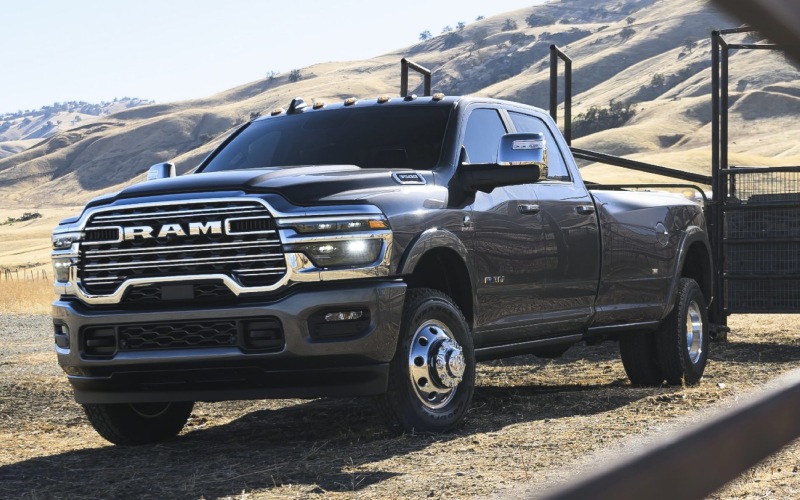
Used RAM trucks are frequently chosen by drivers who want a refined truck experience. Many RAM 1500 models deliver a smooth ride, and certain trims offer cabins that feel more like a premium SUV than a traditional pickup. Depending on model year and trim, shoppers may find features such as large infotainment screens, premium audio, heated and ventilated seats, advanced camera views, spacious center consoles, and upscale interior materials. For long drives or daily traffic, that comfort can be a major advantage.
Capability remains a major part of the RAM appeal. Used RAM trucks may be equipped with V6, HEMI V8, or diesel powertrains, depending on the model year and inventory. The HEMI V8 is often associated with strong acceleration and confident towing performance, while other powertrains may appeal to shoppers looking for a different balance of efficiency and capability. As with any used truck, the most important details are maintenance history and current condition. Listen for unusual engine noises, confirm smooth transmission shifts, inspect for leaks, test 4WD if equipped, and review tire wear. A well-kept RAM can be an excellent truck for drivers who want power, comfort, and style in one package.
Where Used Chevy Trucks Often Stand Out
Used Chevy trucks appeal to many shoppers because of practical layouts, familiar controls, and a wide selection of configurations. The Silverado 1500 is a popular full-size choice for towing, hauling, commuting, and family use. It can be found in work-oriented trims as well as more comfort-focused versions, which gives buyers flexibility. The Colorado adds another useful option for shoppers who want a pickup bed and available 4WD without the size of a full-size truck. For drivers who regularly park in tighter areas or do not need maximum towing capacity, a midsize truck can be a smart fit.
Chevy truck shoppers should compare engine options carefully. Depending on year and model, used trucks may include V6, V8, turbocharged, or diesel choices. Each setup has a different personality and maintenance profile. A Silverado with a V8 may be ideal for hauling and towing, while a Colorado may feel more nimble in daily use. During a test drive, pay attention to steering, braking, transmission behavior, seat comfort, infotainment function, and overall visibility. Also inspect the bed, tailgate, frame, suspension, and underbody. A practical Chevy with strong service records can be a dependable choice for many types of Utah truck ownership.
How to Make a Confident Used Truck Decision
Comparing RAM and Chevy becomes clearer when shoppers use a step-by-step process. First, set the mission for the truck. Second, compare the exact specifications. Third, inspect condition. Fourth, take a meaningful test drive. Finally, review ownership support, financing options, and trade-in value tools. Brand reputation can start the search, but vehicle history should guide the final decision. A lower-mileage truck with poor maintenance may be less appealing than a higher-mileage truck with consistent service records and clean operation.
- Define the purpose: Decide whether towing, commuting, hauling, family use, or recreation is the top priority.
- Compare specifications: Review engine, transmission, axle ratio, drivetrain, payload, tow rating, cab size, and bed length.
- Check condition: Inspect tires, brakes, suspension, frame, fluids, electronics, interior wear, and bed usage.
- Review history: Look at maintenance records, accident history, previous ownership type, and mileage consistency.
- Test drive carefully: Include city speeds, highway acceleration, braking, parking, turning, and 4WD operation if applicable.
The final choice should feel practical, not rushed. A used RAM may be the better fit for a shopper who values a smooth ride, upscale cabin options, and bold design. A used Chevy may be the better fit for a shopper who wants familiar truck function, broad model availability, and versatile work-ready configurations. Both can be excellent when the individual vehicle is clean, well-equipped, and properly maintained. Taking time to compare the details helps avoid surprises and leads to a truck that feels right long after the test drive ends.
Frequently Asked Questions:
Is RAM or Chevy better for a used truck buyer?
Both brands can be strong choices. RAM often stands out for comfort and cabin refinement, while Chevy often appeals to buyers who value practical configurations and familiar truck operation. The best option depends on the specific truck's condition, equipment, mileage, and service history.
Should I buy a used full-size truck or a midsize truck?
A full-size truck is usually better for heavier towing, more passenger space, and larger hauling needs. A midsize truck can be easier to maneuver and may be more practical for lighter-duty driving.
What is the most important number to check for towing?
Payload capacity is just as important as tow rating. Passengers, cargo, accessories, and trailer tongue weight all count against payload, so review both numbers before choosing a truck for towing.
Why test drive both RAM and Chevy before deciding?
A test drive reveals comfort, visibility, steering feel, braking, acceleration, cabin noise, and control layout. Specs matter, but the right truck should also feel natural and confident from the driver's seat.
Request more information
Categories:
Used Dealer