




Generous Auto - Comparing Used Jeep Grand Cherokee and Ford Explorer for Southtowne, UT SUV Shoppers
Two Popular Used SUVs, Two Different Strengths
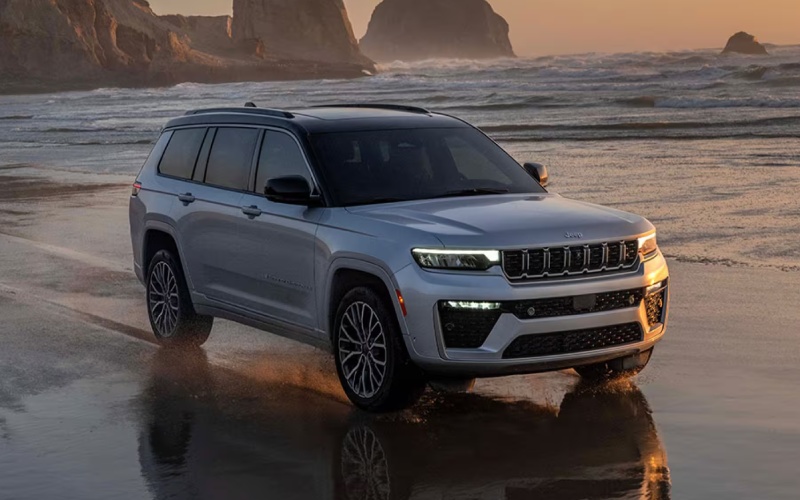
A used Jeep Grand Cherokee and a used Ford Explorer often appear on the same shopping list because both offer SUV confidence, available traction-enhancing drivetrains, and enough versatility for Utah driving. Still, each model answers a different set of needs. The Grand Cherokee is usually the choice for shoppers who want a midsize SUV with a sturdy feel, a refined cabin, and available capability that can support mountain drives, trailhead access, and weekend gear. The Explorer is usually the choice for shoppers who need three rows, easy passenger flexibility, and a family-friendly interior that works well for busy weekdays and longer highway trips.
At Generous Auto, our team helps buyers compare both models with a practical mindset, serving Salt Lake City, Southtowne, and American Fork with used SUV guidance rooted in real driving needs. Instead of asking which SUV is universally better, it helps to ask which one fits your seating, cargo, commute, and ownership expectations. A buyer who rarely uses more than two rows may appreciate the Grand Cherokee’s more compact size and confident personality. A buyer with children, frequent passengers, or rotating cargo needs may find the Explorer’s interior layout more useful over time.
Interior Space and Daily Comfort
Interior layout is one of the clearest differences. The Grand Cherokee is most commonly a two-row SUV, which means cabin space is focused on front and rear passenger comfort plus a practical cargo area. Many used Grand Cherokee trims feel upscale, especially with available leather seating, larger infotainment screens, premium audio, heated or ventilated seats, and advanced driver-assist features depending on the year and trim. For drivers who want comfort without moving into a larger three-row vehicle, this Jeep can feel like a well-balanced option.
The Ford Explorer usually brings a three-row layout, which changes the way the SUV supports daily life. A third row can help with carpools, visiting family, youth sports, or school activities. Fold-flat seating also makes cargo management easier when passenger space is not the priority. For shoppers who often carry both people and gear, the Explorer can offer a practical advantage. Comfort varies by trim, so it is smart to compare seating materials, second-row configuration, climate zones, USB access, cargo controls, and visibility from each seating position before making a final choice.
Capability, Drivetrain, and Road Feel
The Grand Cherokee has long been known for available four-wheel drive systems and a more rugged SUV identity. Depending on model year and trim, shoppers may find features designed to improve traction, ground clearance, drive-mode selection, towing confidence, and rough-road composure. This does not mean every used Grand Cherokee is built the same way, so drivetrain, tire condition, suspension health, and maintenance history should be checked closely. A test drive should include smooth acceleration, braking, turning, and parking-lot maneuvers to make sure the SUV feels right.
The Explorer often feels more like a comfortable family crossover with strong highway manners. Many used Explorer models offer all-wheel drive, multiple engine choices, and solid towing potential when properly equipped. The ride can feel stable and relaxed, which is useful for commuting, errands, and road trips. Buyers should check how the transmission shifts, how the steering feels at low and moderate speeds, and whether the suspension remains quiet over uneven pavement. When comparing both SUVs, road feel can be the deciding factor because each model has a distinct personality.
What to Inspect Before Buying
Condition matters more than assumptions about either brand. A well-kept used SUV with documented service, quality tires, strong brakes, and a clean interior can be a better choice than a similar model with lower mileage but unclear history. Before choosing between a Grand Cherokee and Explorer, shoppers should look closely at maintenance, equipment, and how the vehicle feels in person. Even small details, such as tire wear patterns or uneven brake feel, can provide useful clues about prior care.
- Service history: Look for consistent oil changes, drivetrain service when applicable, brake work, tire replacement, and any major repairs listed on available reports.
- Drivetrain operation: Confirm smooth acceleration, clean shifting, proper all-wheel or four-wheel drive engagement when applicable, and no unusual vibration.
- Interior condition: Check seat wear, cargo area use, electronics, climate controls, infotainment response, and third-row function on Explorer models.
- Towing equipment: Verify factory or installed towing components, engine configuration, cooling equipment, and rating information before planning regular towing.
- Test drive results: Pay attention to steering, braking, road noise, visibility, parking ease, and overall comfort during a route similar to daily driving.
It is also helpful to compare features by exact trim rather than model name alone. A higher-trim Grand Cherokee may feel very different from an entry-level version, and the same is true for the Explorer. Driver-assist technology, navigation, camera systems, power liftgates, seating upgrades, and audio systems vary across years. The right used SUV should feel complete for your lifestyle, not just acceptable on paper.
Budget Planning Without Guesswork
Budget planning should include more than the purchase decision. Insurance, expected maintenance, tire replacement, fuel economy, registration, and potential accessories can all influence long-term satisfaction. A used Grand Cherokee with a more powerful engine may appeal to a shopper who values performance, while an Explorer configuration may make more sense for a larger household. Comparing the total ownership picture helps prevent surprises and keeps the decision grounded in daily reality.
Trade-in value can also shape the path forward. If you plan to replace a current vehicle, gathering a market-based value estimate before shopping can help clarify your buying power. From there, financing tools and prequalification resources can help you understand possible options before visiting a dealership. This approach makes the Grand Cherokee versus Explorer decision easier because you can compare vehicles based on both fit and financial comfort, not just preference.
Frequently Asked Questions:
Which SUV is better for a growing family?
The Ford Explorer is often more practical for a growing family because of its three-row layout and flexible cargo space. The Jeep Grand Cherokee can still be a great fit for smaller households that prefer a midsize SUV with a premium feel.
Which SUV is better for mountain access and outdoor gear?
The Jeep Grand Cherokee is often appealing for outdoor-focused shoppers because of available four-wheel drive systems and a rugged reputation. The Ford Explorer can also handle outdoor gear well, especially when equipped with all-wheel drive and roof or cargo accessories.
Should I choose based on mileage or features?
Choose based on the full vehicle picture. Mileage, maintenance history, trim level, tires, brakes, drivetrain condition, and comfort all matter. A clean, well-maintained SUV with the right features can be the smarter long-term choice.
For many shoppers, the final decision comes down to how the SUV feels during a real test drive. Bring the items you commonly carry, adjust the seats, test child-seat access if needed, open the liftgate, fold the seats, and drive both models through a mix of roads. The Grand Cherokee may feel more compact and capability-focused, while the Explorer may feel more spacious and family-oriented. With a thoughtful comparison, choosing between these two used SUVs becomes much easier.
Request more information
Categories:
Used Dealer