




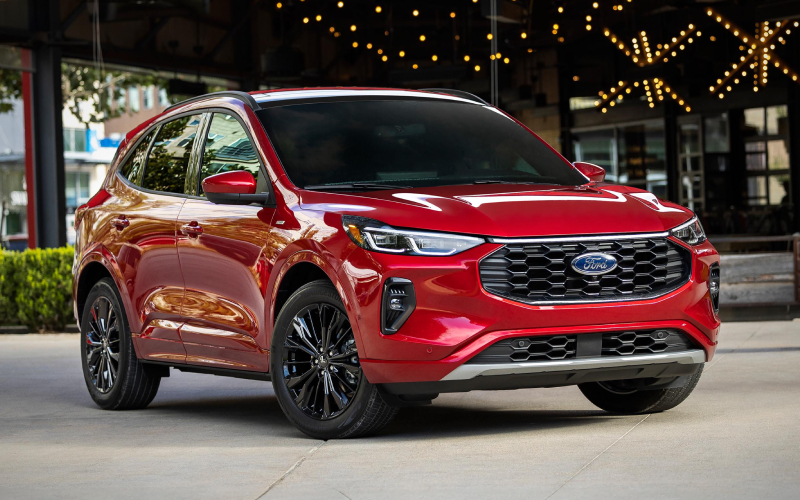
Generous Auto - Used Nissan Rogue vs Ford Escape Shopping Tips for Southtowne, UT Drivers
Shopping for a used compact SUV usually starts with two questions: which model fits your life, and which specific vehicle is in the best condition? The used Nissan Rogue and used Ford Escape both answer the first question well for many Utah drivers. Each offers practical seating, usable cargo space, available all-wheel drive, and technology that can make daily driving easier. The second question takes more careful research. Mileage, service history, trim level, tires, brakes, interior wear, and how the SUV feels on the road can separate a good option from the right one. That is why comparing both models side by side is so valuable, especially when your driving includes I-15 travel, suburban errands, school routes, and occasional recreation outside the city.
A used Nissan Rogue often appeals to shoppers who want comfort and simplicity. Many Rogue models are known for a relaxed ride, supportive seating, good outward visibility, and an interior that feels friendly for daily family use. The Ford Escape brings its own strengths, especially for drivers who like a nimble feel and appreciate the variety of engines and trims found across used model years. Neither SUV should be judged by reputation alone. A well-maintained Escape can be a smarter choice than a neglected Rogue, and a well-equipped Rogue can be a better fit than an Escape missing features you use every day. Condition, records, and personal fit should guide the final decision.
Start With Your Driving Priorities
Before comparing badges, decide how you will use the SUV most often. If your week includes commuting, carrying kids, transporting work equipment, or loading outdoor gear, your needs may be very different from another shopper’s needs. Generous Auto helps used SUV shoppers compare options with a practical, customer-focused approach, serving Salt Lake City, Southtowne, and American Fork from our Sandy area location. A test drive should include more than a quick loop. Try parking, merging, braking, accelerating from a stop, checking blind spots, using the infotainment system, and folding the rear seats. These simple steps reveal whether the SUV fits your real routine.
- Comfort needs: Choose the Rogue if a smooth ride, relaxed cabin feel, and easy passenger access are top priorities.
- Driving feel: Consider the Escape if responsive steering and a more energetic personality matter during daily drives.
- Space planning: Compare rear-seat legroom, cargo floor shape, hatch opening height, and storage bins in person.
- Feature priorities: Look for driver-assist alerts, smartphone integration, heated seats, roof rails, backup camera clarity, and climate control layout.
Understand Model Year and Trim Differences
Used Rogue and Escape models can vary a lot depending on year and trim. A newer base trim may have safety technology that an older premium trim lacks, while an older high-content model may offer comfort upgrades at a strong overall value. For the Rogue, shoppers often look for cabin comfort, cargo convenience, available all-wheel drive, and driver-assist features. For the Escape, shoppers may compare turbocharged engine options, infotainment updates, available all-wheel drive, and trim-specific equipment. When looking at any used SUV, verify the features in the actual vehicle rather than assuming based on the nameplate or trim badge.
It also helps to think about how the SUV has been used. A compact SUV with mostly highway miles, regular service, and clean interior care may feel very different from one with harder use and limited records. Check the tires for even wear, listen for suspension noises over bumps, confirm that electronics work properly, and watch for warning lights at startup. During the test drive, the Rogue should feel smooth and composed, while the Escape should shift cleanly and track straight. Any hesitation, vibration, odor, or unusual sound deserves a closer look before moving forward.
Financing, Trade-In, and Planning Tools
A smart SUV comparison also includes budget planning, but that does not mean focusing only on the monthly number. Consider insurance, registration, fuel use, expected maintenance, tire replacement, and how long you plan to keep the vehicle. Online tools can make this stage less stressful. A payment calculator helps you estimate buying power before you fall in love with a specific SUV. A trade-in tool can show market information for your current vehicle, which may help you plan your next step. Prequalification tools can also help shoppers begin the process with less uncertainty and without unnecessary pressure during the early research phase.
- List must-have features: Decide on items such as all-wheel drive, safety alerts, cargo space, heated seats, or smartphone connectivity before shopping.
- Compare exact vehicles: Review mileage, condition, trim, maintenance history, and tires instead of comparing only Rogue versus Escape.
- Drive both models: Use the same route if possible so steering, braking, visibility, and comfort are easier to judge.
- Review ownership costs: Ask about inspection findings, maintenance needs, and service history before making a final decision.
Which SUV Makes More Sense?
The Rogue may be the better fit if you want a calm daily driver with a comfortable cabin and easy-to-use storage. It is a strong option for shoppers who value passenger comfort, quiet cruising, and practical family-friendly design. The Escape may be the better fit if you prefer a compact SUV with a more responsive character and appreciate the range of powertrain choices found in the used market. Some drivers also like the Escape’s smaller-feeling footprint in parking lots and busy streets. Again, the best answer depends on the exact vehicle, not just the model name.
If you are still undecided after researching both SUVs, that is normal. These two models compete closely because both are useful, efficient, and easy to live with. Bring a checklist, take notes after each test drive, and compare how each vehicle supports your daily routine. Think about seat comfort after 20 minutes, not just the first impression. Open every door, test every window, adjust the driver’s seat, inspect the cargo area, and connect your phone if possible. A careful comparison gives you confidence and helps prevent buyer’s remorse.
Frequently Asked Questions:
Is the Nissan Rogue or Ford Escape better for families?
Both can be family-friendly. The Rogue often stands out for comfort and rear-seat usability, while the Escape can be a good choice for drivers who want flexible space with a more responsive drive.
Is mileage more important than model year?
Mileage matters, but it should be reviewed with maintenance history and condition. A slightly higher-mileage SUV with strong service records may be more appealing than a lower-mileage option with unknown care.
Should I test drive both SUVs on the same day?
Yes. Driving both close together makes differences in visibility, comfort, steering, braking, cabin noise, and technology easier to remember and compare.
What is the most important thing to check before buying?
Review vehicle history, service records, tire condition, brakes, electronics, warning lights, and overall driving feel. A thorough inspection helps confirm that the SUV matches your expectations.
Request more information
Categories:
Used Dealer