




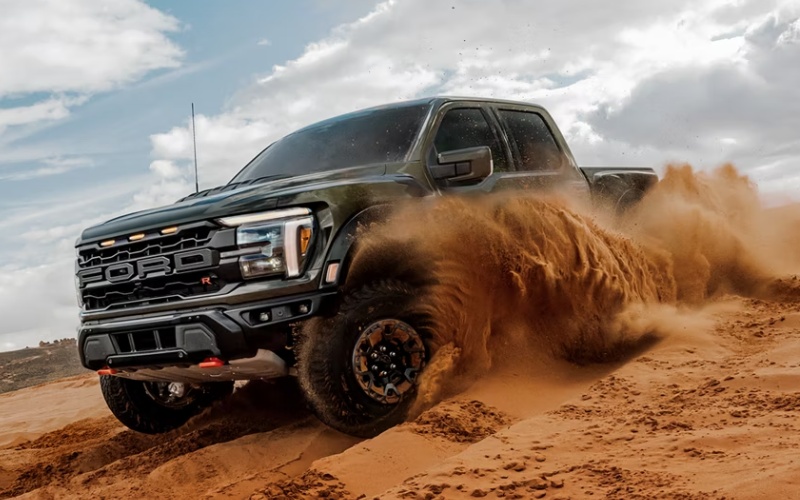
Generous Auto - What to Know About A Used Ford F-150
Shopping for a used full-size pickup is all about finding the right balance of power, practicality, and long-term value. Few trucks hit that sweet spot as consistently as the Ford F-150. At Generous Auto, we help drivers cut through the noise with straightforward guidance, clear options, and a transparent path to the right truck. This guide covers what matters most when considering a pre-owned F-150, from trims and engines to inspection tips, ownership costs, and financing support.
Whether you are upgrading from a sedan, replacing an older workhorse, or picking up your first truck, a little homework goes a long way. Below, you will find a concise overview of the F-150’s strengths, what to look for when you shop, and how our team can streamline the process so you leave confident in your purchase.
Why the F-150 earns its reputation
The F-150 has a long history of delivering capability without sacrificing comfort. You will find a wide variety of powertrains across model years: efficient non-turbo V6 options, torque-rich EcoBoost turbocharged V6 engines, the classic V8 for traditionalists, and even a hybrid that blends muscle with fuel-saving tech. Properly equipped, these trucks handle daily commuting, weekend projects, and serious towing with calm confidence.
Inside the cabin, the F-150 ranges from straightforward and durable to quietly upscale, depending on the trim. Common modern conveniences include intuitive infotainment systems, smartphone integration, helpful driver-assist features, and clever work-friendly details like configurable storage and integrated bed solutions. That breadth of choice is a major advantage in the used market—you can tailor the truck to your priorities rather than settling for a one-size-fits-all setup.
Choosing the right used F-150 for you
Start by defining how you will use your truck most days. The following considerations can quickly narrow your search and ensure the truck you pick fits your life, your driveway, and your budget.
- Cab style: Regular Cab prioritizes a longer bed and maneuverability; SuperCab adds occasional rear seating and versatility; SuperCrew offers full-size rear doors and family-friendly space.
- Bed length: Short beds are easy to park and great for daily driving; standard beds balance cargo room with overall length; long beds maximize hauling capacity for projects and gear.
- Engine choice: Naturally aspirated V6 is simple and efficient; EcoBoost V6 options deliver strong low-end torque for towing; V8 offers traditional sound and feel; hybrid combines power with impressive fuel-saving potential.
- Drivetrain: 2WD is lighter and efficient for pavement-focused commuting; 4WD improves traction on job sites, dirt roads, and wintry passes, and may boost resale desirability in truck-savvy markets.
- Towing and payload: Look for factory tow packages, integrated trailer brake controllers, appropriate axle ratios, and cooling upgrades if you plan to haul regularly.
- Trim priorities: XL and XLT are great for value and durability; Lariat and above add comfort, leather, and tech; off-road-oriented variants emphasize suspension tuning and traction aids.
- Bed utility: Spray-in liners, protective mats, tie-downs, bed lighting, and tailgate steps make everyday loading safer and faster.
What to inspect on a test drive
Every used truck reflects how it was driven and maintained. A focused inspection and thoughtful test drive can reveal a lot about past use and future costs. If possible, look the truck over in daylight with the engine cold before starting, and do not rush the drive.
- Cold start: Listen for rattles at startup, watch for excessive exhaust smoke, and confirm smooth idle after the engine settles.
- Idle and acceleration: Acceleration should be linear and strong; gear changes should be smooth without harsh shifts, flares, or delays.
- Turbo behavior (if equipped): Power delivery should be consistent without whistles, siren-like sounds, or sudden losses of boost under load.
- 4WD operation: Engage 4WD modes to verify smooth engagement and disengagement and to rule out binding or warning lights.
- Steering and suspension: Over bumps, listen for clunks or squeaks; the truck should track straight at highway speeds with no vibration or pull.
- Braking feel: The pedal should be firm and consistent; pulsation can indicate rotor issues, while pulls may suggest caliper or alignment concerns.
- Bed and frame: Look for signs of heavy towing or hauling such as hitch wear, bent tie-downs, or uneven tailgate gaps; inspect frame rails for damage or corrosion.
- Technology check: Test camera systems, sensors, infotainment, and phone connectivity to ensure all features work as advertised.
Service records, clean accident histories, and evidence of routine maintenance—oil changes on time, transmission and differential services performed at recommended intervals—are reliable indicators of a truck that will treat you well for years. Do not overlook small details like spare key availability, tire tread depth, and even windshield condition, which can save you immediate costs after purchase.
Ownership experience and costs
Routine care keeps an F-150 feeling new. Follow the maintenance schedule for oil changes, air and cabin filters, brake service, and cooling system checks. Turbocharged engines tend to benefit from exact-on-time oil service with the correct specification. If your truck tows often, pay close attention to transmission fluid condition and cooling components.
Many late-model F-150s use aluminum body panels to reduce weight and improve efficiency, which resist traditional rust but still deserve periodic inspection. Undercarriage components—frame, exhaust, and suspension—remain steel, so wash the underside periodically if you drive on salted roads or unpaved trails. Accessories like tonneau covers, bed storage, and towing mirrors can make day-to-day use simpler and often add resale appeal when installed and maintained properly.
Financing, trade-in, and next steps
We aim to make the path to your truck straightforward and stress-free. You can get prequalified quickly, review payments that fit your comfort zone, and maximize your trade-in with a transparent valuation. If you are comparing two or three F-150s, our team can outline feature differences and ownership costs side by side so your choice is crystal clear.
When you are ready, set up a visit for a focused test drive and a hands-on bed and cabin check. We will walk through service options, protection plans that fit how you drive, and a realistic timeline for delivery so there are no surprises. We are proudly serving Salt Lake City, Southtowne, and American Fork.
Frequently Asked Questions:
How many miles is too many for a used F-150?
Mileage is only part of the story. Consistent maintenance and gentle use can make a higher-mile truck a smarter buy than a lower-mile one with gaps in service. Review records, inspect wear items carefully, and let overall condition guide your decision.
Which engine is best for my needs?
If you tow frequently or drive at higher elevations, a turbocharged V6 often feels strongest at everyday speeds. For simple, proven power and a classic truck character, the V8 is a solid pick. If fuel savings and quiet power matter most, consider a hybrid. Your driving mix and trailer weight should be the deciding factors.
How do I know what an F-150 can safely tow?
Check the specific truck’s door-jamb sticker, axle ratio, and equipment to confirm ratings, and be sure the hitch and wiring match your trailer. We can help you verify the details and recommend a proper brake controller and weight-distribution setup when needed.
Are aftermarket lifts and larger tires a problem?
Not necessarily, but modifications should be installed correctly and aligned afterward. Expect changes in ride, handling, and fuel economy. Ask for documentation of the parts and installation, and inspect ball joints, tie rods, and driveshaft angles carefully.
What ownership costs should I plan for in the first year?
Budget for an oil change, engine and cabin air filters, and a comprehensive multipoint inspection to establish a baseline. Tires, brakes, and battery health can vary by truck—checking those early helps you plan proactively rather than reactively.
Request more 2026 Ford F-150 information
Categories:
Used Dealer