




Generous Auto - Used Ford F-150 Shopping Tips for Salt Lake City, UT Truck Buyers
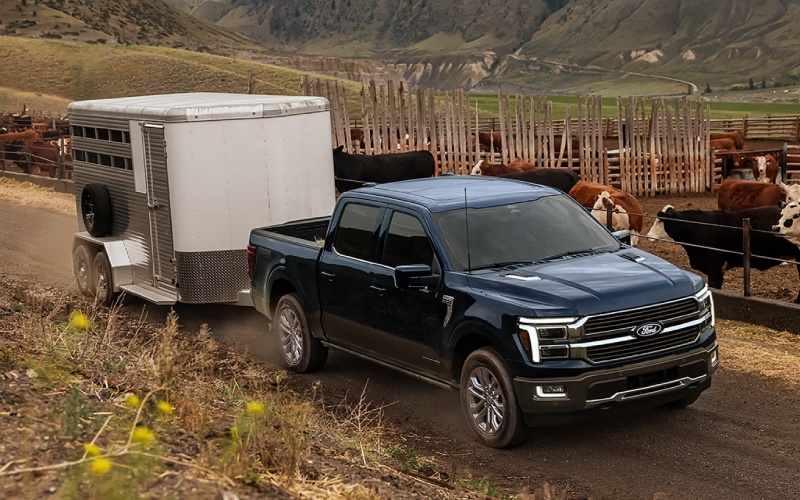
A pre-owned Ford F-150 can be one of the most practical vehicle choices for Utah drivers because it covers so many needs with one platform. It can serve as a commuter, family vehicle, work truck, tow rig, and weekend hauler, often without forcing shoppers to compromise comfort for capability. For drivers moving between city streets, canyon routes, job locations, and suburban errands, the right F-150 can feel like a dependable tool that also fits everyday life. The key is knowing what to compare before scheduling a test drive or starting paperwork online.
At Generous Auto, our goal is to help shoppers make confident decisions with clear information, useful online tools, and a customer-first process serving Salt Lake City, Southtowne, and American Fork. A strong truck search should go beyond color, mileage, and photos. It should include cab style, bed length, engine type, drivetrain, towing equipment, safety technology, service history, and overall condition. When each of those points is considered together, a shopper can better identify an F-150 that matches real driving needs rather than simply choosing the first attractive listing.
Start With How You Plan to Use the Truck
The best F-150 for one driver may not be the best F-150 for another. A commuter who wants a quiet cabin and confident highway manners may focus on seating comfort, technology, and fuel-conscious engine choices. A contractor may care more about payload, bed access, four-wheel drive, and durable interior materials. A family may prioritize rear-seat space, safety technology, and easy entry. Before comparing inventory, make a short list of must-have uses. This helps narrow the search quickly and prevents feature overload.
- Daily driving: Look for comfortable seating, easy infotainment controls, and smooth road manners.
- Towing needs: Review towing equipment, axle ratio information when available, trailer brake control, and hitch setup.
- Work use: Consider bed condition, payload needs, cab storage, and durable flooring or seat materials.
- Family use: Focus on rear-seat space, driver-assist features, climate comfort, and easy child-seat access.
- Recreation: Check four-wheel drive, ground clearance, bed accessories, and tie-down points.
Compare Cab and Bed Configurations Carefully
Cab and bed configuration can change how useful an F-150 feels every day. A larger cab provides more passenger room and interior storage, while a longer bed supports bigger cargo. Some shoppers need maximum cargo length for tools or materials, while others prefer extra rear-seat space for passengers. Online photos help, but dimensions and hands-on inspection matter. If you carry bikes, ladders, camping gear, or work supplies, think about how often cargo length matters versus how often passenger space matters.
Bed access is another detail worth reviewing. Many models may include bed lighting, tie-down points, tailgate steps, bed liners, or tonneau covers. These features can make the truck more convenient from day one. A clean bed can also suggest lighter use, although a well-used bed is not necessarily a concern if the truck has been maintained properly. Look for signs of careful ownership, secure accessories, and practical upgrades that fit your plans.
Understand Engine and Drivetrain Choices
The F-150 is popular partly because Ford has offered several powertrain choices across the lineup. Some shoppers prefer the familiar feel of a V8, while others appreciate the strong low-end torque of EcoBoost® engines. A V6 option may suit drivers who want a balanced truck for commuting and lighter hauling. Instead of focusing only on horsepower, pay attention to how the truck will be used. Torque delivery, transmission behavior, towing confidence, and fuel expectations can be more important than one headline number.
Four-wheel drive can be valuable for Utah drivers who visit trailheads, tow recreational equipment, use unpaved access roads, or want added traction in varied conditions. Rear-wheel drive can still be a smart option for shoppers who primarily stay on paved routes and want a simpler setup. During a test drive, listen for smooth acceleration, clean shifts, steady braking, and confident steering. A good truck should feel composed, not strained, and the powertrain should respond naturally to city and highway inputs.
Technology and Safety Features Matter
Modern used trucks can include an impressive range of driver-assist and convenience features. Many F-150 models may offer SYNC® infotainment, smartphone integration, backup camera technology, parking assistance, and available Ford Co-Pilot360™ features. For busy roads near the Wasatch Front, systems such as BLIS® with Cross-Traffic Alert, Lane-Keeping System, Auto High-Beam Headlamps, and Pre-Collision Assist with Automatic Emergency Braking can add useful support. These features do not replace attentive driving, but each system can make daily travel feel more confident.
Technology should be tested before purchase. Pair a phone, check the touchscreen response, test climate controls, review steering wheel buttons, and confirm camera clarity. If towing is part of your plan, ask about available trailer assistance features and inspect the hitch area. A truck with the right technology can reduce stress during backing, parking, lane changes, and longer drives.
Use Online Tools Before Visiting
A good online shopping process helps you arrive prepared. Payment calculators can estimate buying power, trade tools can provide a quick starting point for vehicle value, and prequalification resources can help shoppers understand possible financing paths without adding unnecessary pressure. These tools are especially helpful when comparing multiple trucks, because a vehicle decision should fit both your driving needs and your ownership comfort level.
- Review inventory details: Compare mileage, condition notes, features, cab style, drivetrain, and photos.
- Estimate trade value: Use a trade tool to understand how your current vehicle may support the purchase.
- Check buying power: Use a payment calculator to compare vehicles within a comfortable range.
- Prepare questions: Ask about service history, inspection results, towing equipment, and included features.
- Schedule a test drive: Drive routes that reflect your normal commute, parking needs, and acceleration expectations.
Frequently Asked Questions:
What should I check first on a used Ford F-150?
Start with condition, service history, cab configuration, bed length, engine type, drivetrain, and safety features. These details shape how well the truck fits your needs.
Is four-wheel drive important for Utah truck shoppers?
Four-wheel drive can be helpful for mountain routes, unpaved roads, towing access points, and recreational driving. Rear-wheel drive can still work well for shoppers focused mainly on paved commuting.
Which F-150 engine is best?
The best engine depends on your use. EcoBoost® options are known for strong torque, V8 options appeal to drivers who like traditional pickup power, and V6 choices can be a balanced fit for lighter-duty driving.
Why buy from a dealership instead of a private seller?
A dealership can provide shopping tools, financing guidance, trade support, vehicle information, and a more structured process. That added support can make a used truck purchase feel easier and more transparent.
Make the F-150 Search More Confident
A smart F-150 search starts with honest priorities. Think about the routes you drive, the cargo you carry, the passengers who ride with you, and the features that will make ownership easier. The right truck should feel comfortable during a test drive, practical when parked, and capable when work or recreation calls. By comparing condition, equipment, history, and overall fit, shoppers can move forward with a clearer sense of value and confidence.
Request more Ford F-150 information
Categories:
Used Dealer