


Utah Emissions Requirements: Which Counties Need Testing?
Utah emissions requirements are county-based, which means a vehicle can need testing in one part of the state and be exempt in another. Along the Wasatch Front, emissions testing applies in Salt Lake, Davis, Weber, Utah, and Cache counties. These areas have higher traffic density, more daily commuting, and air quality programs designed to reduce vehicle-related pollution. If your vehicle is registered in one of those counties, your registration renewal notice is the first place to check for testing instructions, timing, and any model year exemption that may apply. Generous Auto helps local shoppers understand how these rules fit into real ownership decisions, especially when comparing used cars, trucks, SUVs, hybrids, and commuter vehicles. Our dealership in Sandy, UT works with drivers who travel I-15, 700 East, State Street, and routes connecting Salt Lake City and Southtowne, where registration deadlines can come up quickly. A vehicle's model year, fuel type, weight class, and county registration location all matter, so it is wise to verify requirements before renewing tags or buying a used vehicle.
Counties That Require Emissions Testing in Utah
- Salt Lake County: Testing is generally required for many gasoline-powered vehicles registered in the county, with exemption rules tied to model year and vehicle type.
- Davis County: Emissions inspections apply to many registered vehicles, and renewal notices typically identify whether testing is due.
- Weber County: Drivers should review county-specific guidance because inspection timing can depend on age, model year, and registration category.
- Utah County: Many passenger vehicles require emissions testing, particularly once newer-vehicle exemptions no longer apply.
- Cache County: Emissions requirements also apply, although program details may differ from other Wasatch Front counties.
Outside these five counties, Utah usually does not require emissions testing for standard passenger vehicle registration, although safety, title, insurance, and registration rules still apply statewide. The key factor is where the vehicle is registered, not simply where it is driven. For example, a commuter who works in a testing county but registers a vehicle elsewhere may follow different emissions rules than a resident whose registration address is inside Salt Lake, Davis, Weber, Utah, or Cache County. If you move between counties, update your registration address and confirm whether a test is needed before renewal. County health departments and Utah DMV renewal notices remain the most reliable sources for exact timing.
How Model Year Exemptions Usually Work
Model year exemptions are one of the most common reasons Utah drivers search for emissions information. A newer vehicle may not need a test every year right away, while an older vehicle may require testing more frequently. However, exemption schedules are not identical in every emissions county, and rules can change as local air quality programs update requirements. In general, counties consider factors such as the vehicle's model year, whether it is gasoline, diesel, hybrid, or electric, and whether it falls into a passenger vehicle or heavier-duty category. Fully electric vehicles do not produce tailpipe emissions, so emissions testing is typically not handled the same way as it is for gasoline vehicles. Hybrids, plug-in hybrids, and diesel vehicles may follow separate county rules. At Generous Auto, we encourage buyers to check the renewal notice, county emissions program, or DMV registration tool before assuming a specific used vehicle is exempt. This is especially helpful for shoppers comparing a late-model commuter sedan against an older SUV or pickup. Our service in Sandy, UT can also help owners prepare for registration-related needs, including inspection steps and plate decal renewal where available.
What to Bring and What Happens During Testing
- Registration notice: Bring the renewal notice or current registration so the station can match the test to the correct vehicle record.
- Vehicle identification: The VIN, plate number, and odometer reading may be needed for accurate reporting.
- Readiness status: If the battery was recently disconnected or codes were cleared, the onboard monitors may not be ready for testing.
- Check engine light: A lit malfunction indicator light can affect results, so diagnostics before testing may save time.
- Fuel cap and emissions equipment: Missing, damaged, or altered components can create issues during inspection.
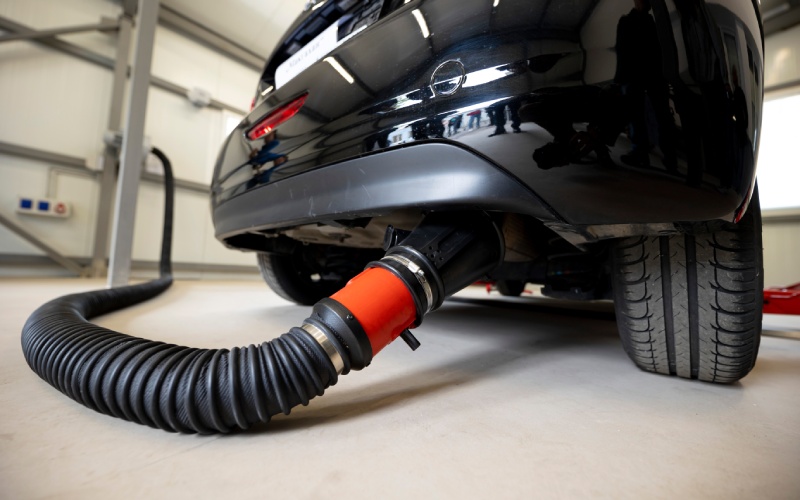
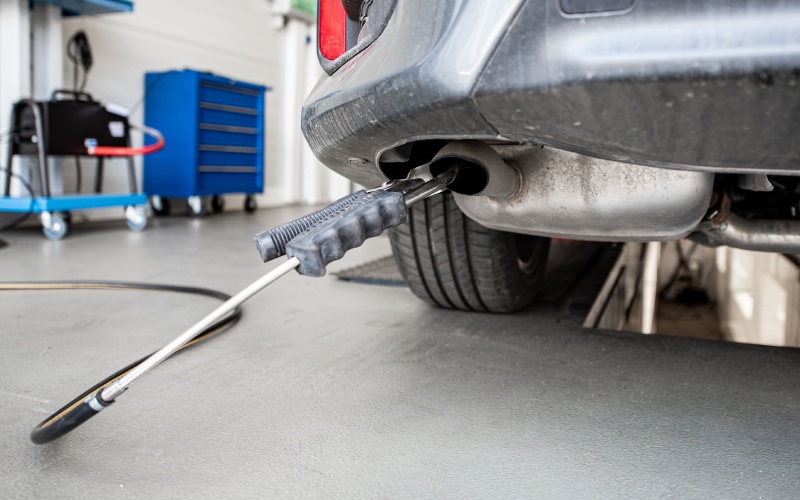
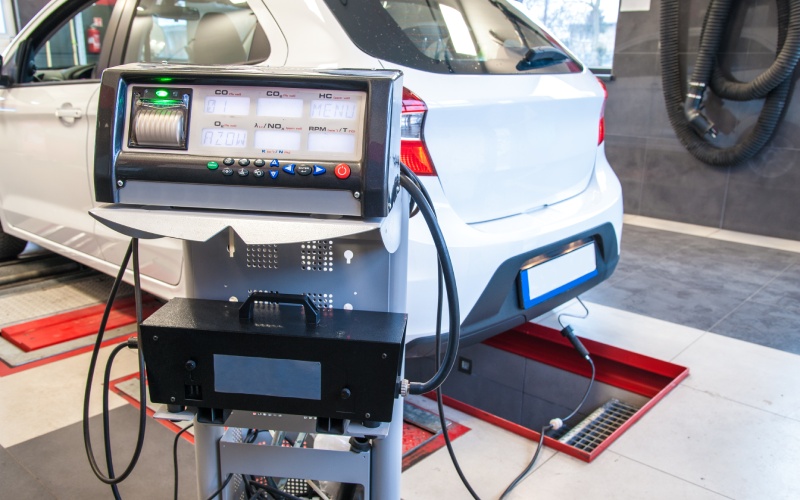
The test process depends on county procedures and vehicle technology, but many modern vehicles are checked through onboard diagnostics. Older vehicles may require different inspection methods. If your vehicle passes, the result is usually transmitted electronically for registration renewal. If it does not pass, repairs may be required before retesting. Drivers along the Wasatch Front often plan emissions testing close to registration renewal, but waiting until the final day can create stress if a repair is needed. A practical approach is to review your renewal notice early, address warning lights promptly, and keep maintenance current. For used vehicle shoppers, asking about recent emissions history can add confidence before purchase.
FAQ
Which Utah counties require emissions testing?
Salt Lake, Davis, Weber, Utah, and Cache counties require emissions testing for many registered vehicles. Requirements are based on county registration, vehicle type, and model year.
Is my vehicle exempt because it is newer?
Possibly. Newer vehicles may qualify for temporary or alternating-year exemptions depending on the county. Always check your renewal notice or county emissions program before assuming no test is needed.
Do electric vehicles need emissions testing in Utah?
Fully electric vehicles do not have tailpipe emissions, so emissions inspection requirements are different from gasoline vehicles. Registration rules still apply, and county or DMV guidance should be reviewed.
What if I recently bought a used vehicle?
Confirm the registration county, title status, and emissions requirement before completing renewal. If the vehicle is registered in an emissions county, testing may be required even if the previous owner lived elsewhere.
Can a check engine light cause a failed test?
Yes, a check engine light can indicate emissions-related faults. A diagnostic visit before testing can help identify repairs and reduce the chance of a failed inspection.
Get Registration-Ready With Local Help
Understanding Utah emissions requirements can make vehicle ownership smoother, especially for drivers who live, work, or commute through the busiest parts of the Wasatch Front. The main question is simple: is your vehicle registered in Salt Lake, Davis, Weber, Utah, or Cache County? From there, model year, fuel type, and vehicle category determine whether testing is due this year, later, or not at all. For shoppers considering a used vehicle, emissions readiness should be part of the same conversation as mileage, service history, tires, brakes, financing, and trade-in value. Generous Auto offers a large selection of used cars, trucks, and SUVs, along with tools that help shoppers estimate buying power, value a trade, and move through financing with clarity. Our team in Sandy, UT is also ready to help with service-related questions and registration-focused preparation, including inspection and decal steps when available. If you are unsure whether your current vehicle or next used vehicle needs emissions testing, let us help you ask the right questions before renewal time. Visit our inventory online or connect with our team to shop confidently and stay road-ready.
Make an Inquiry
* Indicates a required field